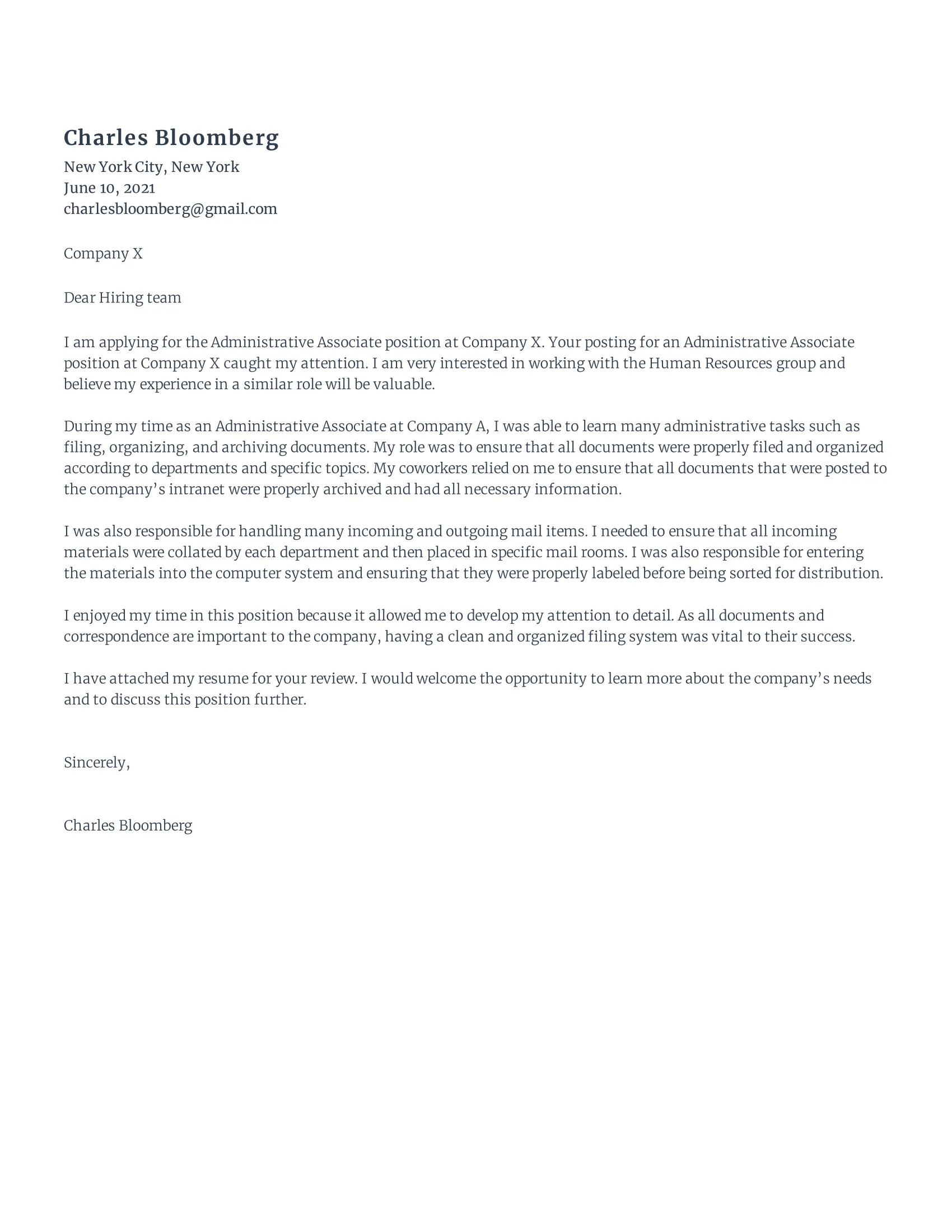
Crafting Your Admin Assistant Cover Letter
A well-crafted admin assistant cover letter is your first chance to impress a potential employer and secure an interview. It’s more than just a formality; it’s a powerful tool to showcase your skills, experience, and personality. A compelling cover letter complements your resume, providing context and demonstrating your genuine interest in the specific role and company. By taking the time to carefully construct your cover letter, you significantly increase your chances of landing an interview and ultimately, the job. This guide will take you through the process step-by-step, from understanding the role to highlighting your achievements and avoiding common pitfalls, ensuring your application stands out from the competition.
Understanding the Role of an Admin Assistant
Before you start writing, it’s crucial to understand the core responsibilities of an admin assistant. This understanding will guide you in highlighting the most relevant skills and experiences in your cover letter. Admin assistants are the backbone of any organization, providing essential support to ensure smooth operations. Their duties can range from managing schedules and coordinating meetings to handling correspondence, preparing reports, and assisting with various administrative tasks. Strong organizational abilities, excellent communication skills, and a proactive approach are vital for success in this role. Familiarize yourself with the specific requirements mentioned in the job description, as this will help you tailor your cover letter to the employer’s needs and expectations. Knowing the role is paramount for demonstrating your understanding and suitability for the position.
Key Skills to Highlight in Your Cover Letter

Your cover letter should be a showcase of the skills that make you a perfect fit for the admin assistant position. Focus on the abilities most relevant to the job requirements. These typically include strong communication, both written and verbal, proficiency in relevant software (like Microsoft Office Suite), excellent organizational skills, and the ability to manage multiple tasks simultaneously. Highlight your experience with scheduling, travel arrangements, and handling confidential information. Emphasize your ability to work independently and as part of a team, along with your problem-solving skills and attention to detail. Don’t just list your skills; provide specific examples of how you’ve used them to achieve positive outcomes in previous roles. This adds weight to your claims and shows potential employers that you’re more than just a list of skills.
Communication and Interpersonal Skills
Communication is at the heart of an admin assistant’s role. You’ll be the primary point of contact for internal and external communications, so it’s crucial to demonstrate your ability to communicate clearly and effectively. Highlight your experience in drafting professional emails, managing phone calls, and interacting with clients and colleagues. Showcase your interpersonal skills by describing your ability to build rapport, resolve conflicts, and handle sensitive information with discretion. Mention any experience you have in public speaking, presentations, or written reports. Provide concrete examples of how you’ve used your communication skills to improve office efficiency, resolve issues, or build strong relationships with stakeholders. Employers value candidates who can communicate effectively across different channels and maintain a professional demeanor at all times.
Technical Proficiency
In today’s digital world, technical proficiency is a must-have for admin assistants. Showcase your expertise in the software and tools that are relevant to the job. This typically includes Microsoft Office Suite (Word, Excel, PowerPoint, Outlook), but may also involve experience with CRM software, project management tools, or other specialized applications. Specify your level of proficiency in each program (e.g., ‘proficient in Excel – able to create and manage complex spreadsheets, use formulas, and generate reports’). If the job description mentions specific software, make sure to highlight your experience with those particular tools. Don’t forget to mention your typing speed and any experience with data entry or database management. Highlighting your technical skills shows you can handle the day-to-day tasks efficiently and effectively.
Organizational and Time Management Skills

Admin assistants must be masters of organization and time management. Emphasize your ability to prioritize tasks, manage schedules, and meet deadlines. Provide examples of how you’ve organized complex projects or managed multiple responsibilities simultaneously. Describe any systems or techniques you use to stay organized, such as using digital calendars, creating to-do lists, or employing project management software. Mention your ability to handle interruptions and unexpected tasks without losing track of priorities. If you have experience in event planning, managing travel arrangements, or coordinating meetings, be sure to highlight those skills. Employers want to see that you can keep the office running smoothly and efficiently, so demonstrating your organizational and time management skills is critical to winning the job.
Highlighting Your Achievements
Instead of simply listing your responsibilities, focus on your achievements. What have you accomplished in your previous roles that demonstrate your abilities? This is where you go beyond the day-to-day tasks and showcase the impact you’ve made. Think about projects you’ve successfully completed, problems you’ve solved, and processes you’ve improved. Quantify your achievements whenever possible to provide tangible evidence of your value. Did you streamline a process that saved the company time or money? Did you implement a new system that increased efficiency? Did you receive any accolades or recognition for your work? These achievements will make your cover letter more compelling and memorable. Focus on outcomes and results.
Quantifying Your Accomplishments
Using numbers and metrics in your cover letter makes your accomplishments more impactful. Instead of saying “Improved office efficiency,” say “Improved office efficiency by 15% by implementing a new filing system.” Instead of saying “Managed a busy calendar,” try “Managed the schedules of five executives, coordinating over 200 meetings per month.” Quantifiable results provide concrete evidence of your contributions and make it easier for employers to assess your value. Use data points such as percentages, dollar amounts, or specific numbers of tasks completed or deadlines met. Even if you don’t have precise numbers, try to use descriptive language that gives a sense of scale. For example, instead of saying “handled many phone calls,” you might say “handled an average of 50 phone calls per day.”
Tailoring Your Cover Letter to the Job

One of the biggest mistakes job seekers make is sending out generic cover letters. Customize your cover letter for each specific job application. Read the job description carefully and identify the key requirements and keywords. Then, adapt your cover letter to directly address those requirements. Highlight the skills and experiences that are most relevant to the specific role and company. Show the employer that you understand their needs and that you’ve done your research. This demonstrates your genuine interest in the position and your ability to pay attention to detail. Tailoring your cover letter takes extra effort, but it significantly increases your chances of getting noticed by the hiring manager.
Researching the Company
Before writing your cover letter, research the company. Visit their website, read their mission statement, and learn about their products or services. Look for recent news articles or press releases to understand their current priorities and challenges. If possible, browse their social media channels to get a sense of their company culture. This research will help you tailor your cover letter to the company’s specific needs and values. You can use this information to demonstrate your understanding of the company and why you’re a good fit. Mention specific initiatives, values, or projects that resonate with you. Showing that you’ve done your homework demonstrates initiative and genuine interest.
Matching Skills to Requirements
Carefully review the job description and identify the key skills and qualifications the employer is seeking. Create a list of your skills and experiences and then explicitly connect them to the requirements listed in the job description. Use the same keywords and phrases from the job posting. This will help your cover letter get past applicant tracking systems (ATS) and catch the attention of the hiring manager. Provide specific examples of how you’ve used your skills to achieve positive outcomes in previous roles. If the job description mentions a particular software or skill, make sure to highlight your experience with it. By directly matching your qualifications to the job requirements, you demonstrate that you have what it takes to succeed in the role.
Formatting and Presentation

The format and presentation of your cover letter are crucial for making a positive first impression. Your cover letter should be well-organized, easy to read, and free of errors. Use a professional font, such as Times New Roman, Arial, or Calibri, and keep the font size between 10 and 12 points. Use standard one-inch margins and single-space your text, with a blank line between paragraphs. Start with a professional salutation, such as “Dear [Hiring Manager name],” and end with a professional closing, such as “Sincerely” or “Best regards.” Keep the letter to one page, and ensure that your contact information (name, phone number, email address) is clearly visible at the top. A clean and professional format shows that you pay attention to detail and that you take your application seriously.
Choosing the Right Tone
The tone of your cover letter should be professional, enthusiastic, and tailored to the company’s culture. Use a friendly and approachable tone, but avoid being overly casual. Show your personality and enthusiasm, but maintain a level of professionalism. Research the company’s culture to determine the appropriate level of formality. If the company has a more relaxed culture, you might use a slightly less formal tone. However, it’s always better to err on the side of caution and maintain a professional demeanor. Avoid using slang, jargon, or overly complex language. Keep your writing clear, concise, and easy to understand. The tone you choose should complement your skills and make you appear as a positive, reliable candidate.
Proofreading and Editing
Proofreading and editing are essential steps in the cover letter writing process. Errors in grammar, spelling, and punctuation can immediately undermine your credibility. Before submitting your cover letter, carefully proofread it yourself. Check for any typos, grammatical errors, and inconsistencies in formatting. Then, ask a friend, family member, or career advisor to review it as well. A fresh pair of eyes can often catch mistakes that you might have missed. Pay close attention to the language you’ve used and make sure your letter flows well. Ensure the tone is appropriate and that your message is clear. By carefully proofreading and editing your cover letter, you demonstrate your attention to detail and your commitment to presenting a professional application.
Common Mistakes to Avoid

Avoiding common mistakes can greatly improve your chances of success. Generic cover letters, poor formatting, and grammatical errors are instant turn-offs. Don’t be too long; keep it to one page. Avoid clichés and overused phrases. Instead, use your own voice and highlight your unique skills and experiences. Don’t focus on what you want; focus on what you can offer the employer. Avoid negative language or criticizing former employers. Always tailor your cover letter to the specific job and company. By avoiding these mistakes, you can increase the impact of your application and make a positive impression on the hiring manager.
Generic vs. Specific Cover Letters
Generic cover letters are the death knell of a job application. Sending the same cover letter to multiple employers, without tailoring it to the specific job, will make you look like you’re not genuinely interested in the role or the company. Generic letters often lack specific details and fail to highlight the skills and experiences that are most relevant to the job. Spend the time to customize your cover letter for each position. Research the company, understand their needs, and show them how your skills and experience align with their requirements. A specific cover letter demonstrates your attention to detail, your genuine interest in the role, and your ability to follow instructions.
Ignoring the Job Description
Failing to address the requirements outlined in the job description is a major mistake. The job description is your roadmap to success. It lists the essential skills, qualifications, and experiences the employer is seeking. If you don’t reference these requirements in your cover letter, you’ll fail to convince the hiring manager that you’re the right fit for the job. Review the job description carefully and use it as a guide for highlighting your relevant skills and experience. Use the same keywords and phrases from the job description to demonstrate that you understand the role and that you have the qualifications to succeed. Showing that you meet the employer’s needs is crucial for getting your application noticed.
The Importance of Follow-Up

After submitting your cover letter and resume, a follow-up can be a crucial step in the job application process. It shows your continued interest in the position and helps you stay top-of-mind with the hiring manager. Send a brief, polite email or make a phone call a week or two after submitting your application. Thank the hiring manager for their time and reiterate your interest in the role. Briefly mention a key skill or experience that makes you a good fit. Don’t be pushy or overly aggressive, but remain professional and enthusiastic. A well-timed follow-up can increase your chances of getting an interview and demonstrates initiative.
In conclusion, crafting a winning admin assistant cover letter requires careful planning, attention to detail, and a focus on showcasing your unique skills and experiences. By understanding the role, highlighting your achievements, and tailoring your letter to the specific job, you can significantly increase your chances of landing an interview and securing your dream job. Remember to proofread carefully, and always follow up. Good luck!