Introduction to Activity Assistant Cover Letters
A well-crafted cover letter is your first impression on a potential employer, and for an Activity Assistant role in a nursing home, it’s crucial. It’s not just about listing your qualifications; it’s about demonstrating your passion for enriching the lives of residents. This guide will help you create a cover letter that highlights your skills, experience, and genuine interest in the position. Remember, your cover letter is an opportunity to stand out from the crowd and show why you’re the ideal candidate to bring joy and engagement to the residents of a nursing home. It is also important to reflect your understanding of the unique needs and expectations of this specific field, and a well-written cover letter can set you apart from other applicants.
Understanding the Role of an Activity Assistant
Before you start writing, understand the core responsibilities of an Activity Assistant. You’ll be involved in planning, organizing, and leading recreational and therapeutic activities for residents. These activities can range from arts and crafts and games to social events and outings. The goal is to enhance the residents’ physical, mental, and emotional well-being. An Activity Assistant must be compassionate, patient, and able to adapt activities to meet the needs of residents with varying abilities and interests. This understanding should influence the tone and content of your cover letter, showing the hiring manager that you are fully aware of the scope of work.
Key Skills to Highlight in Your Cover Letter

Your cover letter should showcase skills relevant to the Activity Assistant role. While specific skills might vary, some core competencies are universally valuable. These skills demonstrate your ability to connect with residents, plan engaging activities, and manage your time effectively. Highlighting these skills gives the hiring manager a clear picture of your capabilities, and how you will make a positive contribution to the nursing home’s activity program.
Communication and Interpersonal Skills
Effective communication is essential. This includes the ability to listen attentively, speak clearly, and relate to people of all ages and backgrounds, including those with cognitive impairments. Mention your experience in building rapport with individuals, creating a positive and supportive environment, and adapting your communication style to meet different needs. Show that you can communicate effectively with residents, their families, and the healthcare team.
Creativity and Program Planning
Highlight your ability to create and implement engaging activity programs. Showcase any experience in designing activities that cater to different interests and abilities. Mention your knowledge of various activities, such as arts and crafts, music, games, and outings, and how you can adapt them for residents with varying physical and cognitive abilities. Mention any experience in leading and motivating a group of individuals, and this skill is highly desirable in this role.
Patience and Empathy

Patience and empathy are fundamental qualities for working with nursing home residents. Show how you understand the challenges residents face and can offer support and understanding. Provide examples of how you have demonstrated patience in difficult situations and shown compassion towards others. Mention your ability to create a supportive and caring environment, which is crucial for the residents’ well-being and peace of mind.
Organizational and Time Management Skills
Activity Assistants must manage their time effectively to coordinate activities, set up and clean up, and handle administrative tasks. Highlight your organizational skills, such as planning and scheduling, and your ability to manage multiple tasks efficiently. Mention any experience in managing resources, coordinating events, and ensuring activities run smoothly.
Tailoring Your Cover Letter for Nursing Homes
Generic cover letters don’t impress. Tailor your letter to the specific nursing home you’re applying to. Research the facility, understand its mission and values, and demonstrate how your skills align with their goals. This shows the hiring manager that you’ve taken the time to learn about their organization and are genuinely interested in working there. Customize your cover letter to reflect your understanding of the facility and their specific needs.
Researching the Nursing Home’s Culture

Visit the nursing home’s website, read online reviews, and, if possible, speak with current or former employees. Understand the facility’s focus, whether it’s on specialized care, community involvement, or resident-centered activities. This research will help you align your cover letter with the facility’s values and highlight how you can contribute to their mission. Look for details about their activities, any special programs, or their approach to resident care.
Highlighting Relevant Experience
Clearly state how your past experiences relate to the Activity Assistant role. If you have worked in a nursing home, senior center, or any setting involving activity planning and patient care, be specific about your responsibilities and achievements. If you lack direct experience, emphasize transferable skills. Highlight any volunteer work, caregiving experiences, or relevant coursework. Quantify your accomplishments whenever possible – for example, “Organized weekly game sessions for an average of 15 residents.”
Formatting Your Activity Assistant Cover Letter
A well-formatted cover letter is easy to read and creates a professional impression. It shows attention to detail and a commitment to quality. This formatting ensures your letter is easy to navigate and highlights the most important information. Use a professional font, such as Times New Roman or Arial, with a font size between 10 and 12 points. Keep the layout clean and organized with clear headings and bullet points. This will ensure the reader can easily scan your letter and quickly grasp the key points. Using clear headings and concise paragraphs will help your message stand out.
Contact Information and Salutation

Start with your contact information at the top: your name, address, phone number, and email address. Always address your cover letter to the hiring manager or the Activities Director by name. If you can’t find a name, use a professional salutation like “Dear Hiring Manager.” Avoid generic greetings like “To Whom It May Concern.” This shows you have put in the effort to research the organization. Also, it is important that the name is spelled correctly.
Body Paragraphs The Core of Your Letter
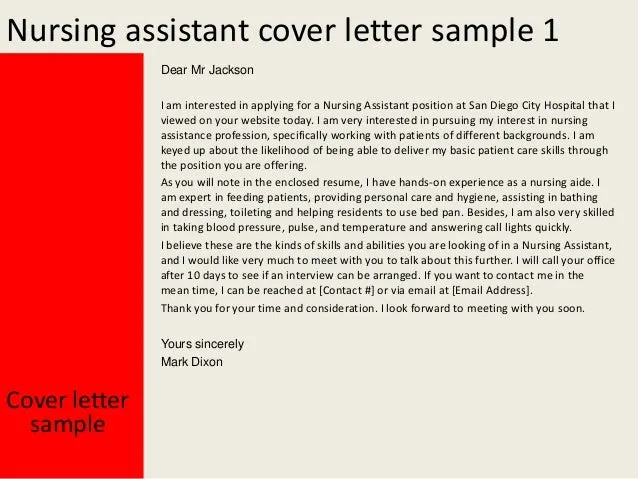
The body of your cover letter is where you showcase your skills and experiences. Structure your letter logically, with each paragraph focusing on a specific point. This allows you to present your qualifications in an organized and persuasive manner. Start with an introduction that captures the reader’s attention, followed by paragraphs that provide specific examples of your qualifications, and end with a strong closing. Use action verbs to describe your accomplishments, and provide quantifiable results whenever possible.
Writing a Strong Opening Statement
Your opening paragraph should immediately grab the reader’s attention. Express your interest in the Activity Assistant position and briefly explain why you’re a good fit. Mention where you saw the job posting and why you’re drawn to the nursing home. State your enthusiasm for the role and provide a concise overview of your relevant skills. This will set the tone for your entire letter and encourage the reader to continue reading. Focus on a specific achievement or skill that makes you stand out.
Showcasing Your Accomplishments

Use the body paragraphs to expand on your skills and experiences. Provide specific examples of your accomplishments in previous roles or volunteer work. Highlight how you have successfully planned and implemented activities, worked with residents, and fostered a positive environment. Use action verbs like “organized,” “led,” “created,” and “implemented” to describe your responsibilities. Be specific, and quantify your achievements with data, such as “Increased resident participation in activities by 20%.”
Concluding Your Cover Letter
In your concluding paragraph, reiterate your interest in the position and summarize your key qualifications. Express your eagerness to contribute to the nursing home’s mission and your desire to learn more about the opportunity. Thank the hiring manager for their time and consideration. End with a professional closing, such as “Sincerely” or “Best regards,” followed by your name.
Call to Action Expressing Your Interest
Always include a call to action. State your willingness to attend an interview and provide your contact information. Clearly express your enthusiasm for the position and reiterate your interest in contributing to the nursing home. Make it easy for the hiring manager to contact you. The call to action should be clear, concise, and directly invite the hiring manager to take the next step, such as scheduling an interview.
Proofreading and Editing Your Cover Letter

Before sending your cover letter, proofread it carefully. Check for any grammatical errors, typos, and inconsistencies in formatting. A well-written and error-free cover letter demonstrates professionalism and attention to detail. Read it aloud, and consider having a friend or family member review it as well. This will help you catch any mistakes that you might have missed, and ensure your letter is clear and compelling. A polished cover letter is a reflection of your professionalism and dedication to the role.
Avoiding Common Cover Letter Mistakes
Avoid common mistakes that can undermine your application. Don’t use generic or overly formal language. Avoid negative statements or criticisms of previous employers. Keep the tone positive and focus on your strengths and qualifications. Avoid excessive length; aim for one page. Ensure your cover letter is well-organized, concise, and tailored to the specific nursing home. Also, make sure your resume and cover letter align, and that your contact information is correct. Don’t simply repeat your resume; expand on the information and demonstrate how you fit the role.